Track Your Monthly Spending
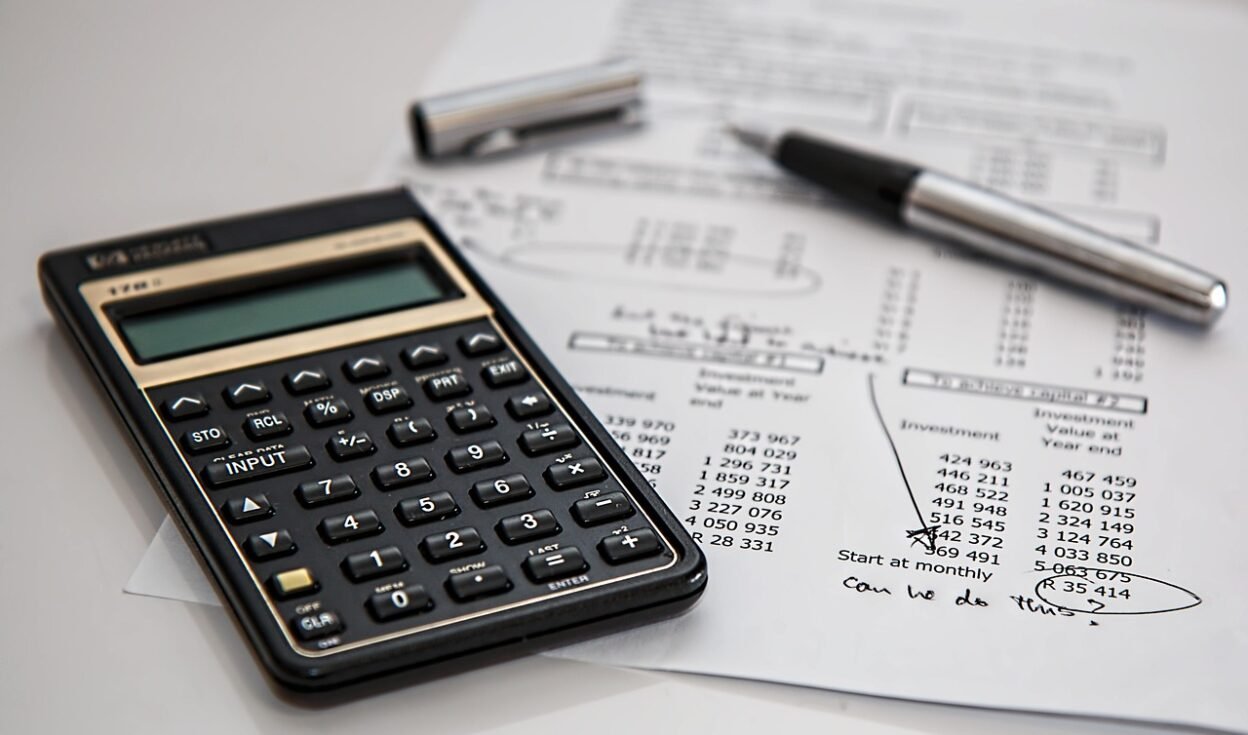
Begin by writing down all that you spend in a month. That includes the bills, groceries, petrol and other small spend every day. Once you have a sense of where your money is going, it’s easier to identify opportunities for the cutting. When you track your spending, you have a window into your financial lifestyle.
Set a Simple Budget
Make a budget that aligns with your income and who you are every day. Categorize your money by things like rent, food, travel and savings. A bare-bones budget keeps you organized and prevents overspending. The more you track it each month, the easier saving becomes.
Use the 50/30/20 Rule
One useful rule is called the 50/30/20 guideline. Use 50% of your pay for needs, 30% on wants, and save the rest. This guideline helps you spend in proportion and saves without punishing yourself.
Cut Unnecessary Expenses
Notice the little things you can cut out. This can mean unused subscriptions, regular eating out or impulse buys. Reducing those costs can make you more money available to save. It’s amazing how little changes can add up over time.
Set Clear Savings Goals
Determine what you’re saving toward — an emergency fund, a vacation, a big purchase. A clear goal will give you the motivation to stay within your budget. Once you understand the reason why you are saving, it is easier to keep to a discipline.
Use Cash for Daily Expenses
If you’re trying to manage your budget, relaying on cash for daily spending can be beneficial. When you actually watch that money disappear in your hands, it makes you much more conscious of what you’re spending. This small practice can reduce impulsive purchasing and keep you within your limits.
Build an Emergency Fund
An emergency fund protects you when unexpected situations happen. Try to save enough to cover at least a few months of expenses. This fund would prevent you from using your credit cards or loans during hard times and it could boost your financial security.
Review Your Budget Often
As your needs and income change, you’ll want to revisit your budget periodically. Your plan isn’t stagnant, and you don’t force it on yourself in changing circumstances because adjusted plans help you stay the course, do what is needed to get where you are going. Not only does checking your budget every month keep you in the game and make you better at saving.
Use Budgeting Apps
Budgeting apps can help with that. They aid in keeping track of your spending, alert you to when it’s time to make a payment and let you know where you can save. These are tools that keep everything in one place and make managing money easy.