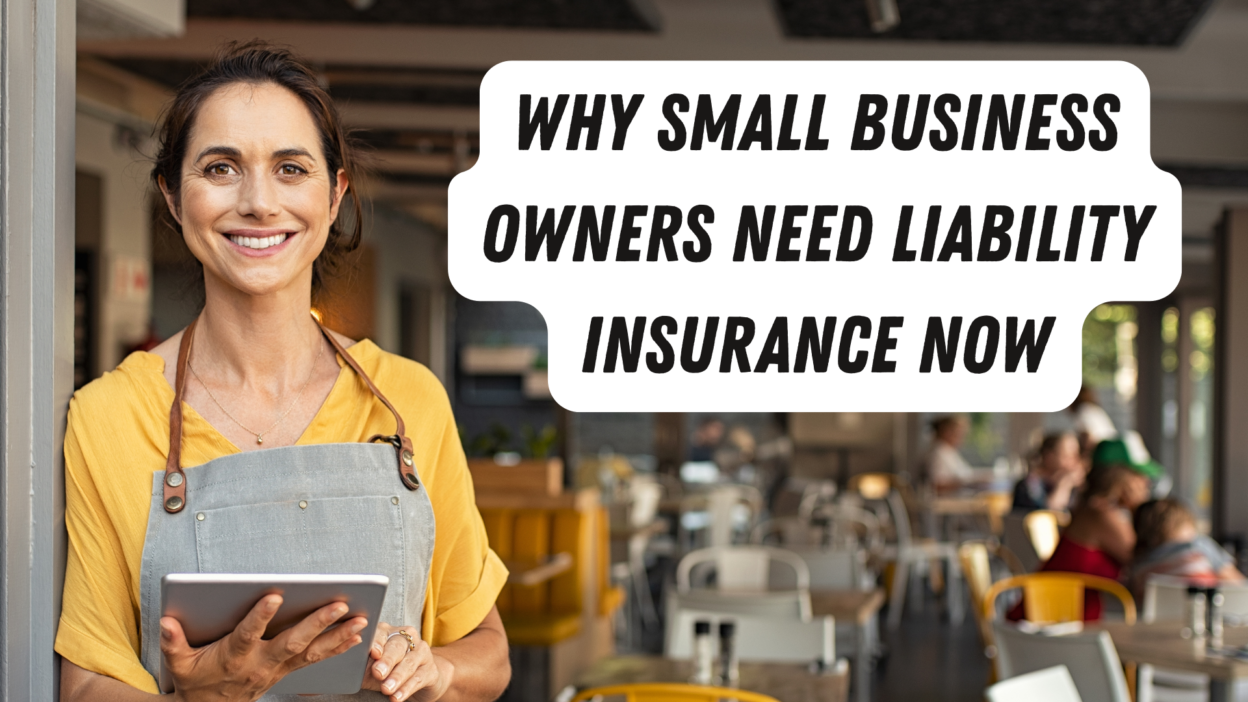
Liability insurance: To open a small business takes courage, long working hours and real personal sacrifice. No matter what type of business your operate — whether you run a neighborhood boutique, a service-based firm or an online store — you’re not just earning income today, but you’re investing in the future.
But there’s one uncomfortable truth that many business owners don’t realize until it’s too late: a single lawsuit, accident or complaint has the potential to undo years of hard work overnight.
Liability insurance is not a luxury item, or a box to check off on some paperwork. It is an insurance policy that guards your business, your person and peace of mind in an increasingly risky and litigious world.
The Reality of Risk for Small Businesses
And some owners think huge legal hassles are things that don’t happen to small businesses. It is actually smaller businesses that are more frequently the easier targets. Customers slip on wet floors. Products malfunction. Marketing messages get misunderstood. Online retailers are sued for intellectual property. Social media accusations in the negative can even spiral into legal action.
According to industry statistics, around 40% of all Small Business will file a property or general liability claim in the supporting ten year period. And these are not rare incidents — they’re everyday risks. The cost of a simple slip-and-fall claim can exceed $20,000 on average. Claims of reputational or advertising injury often exceed $50,000. Without insurance, these costs don’t just hurt your business — they come directly out of your personal savings.
What Liability Insurance Actually Covers
General liability insurance acts as your first line of defense. It typically covers third-party bodily injury, property damage, personal injury claims like defamation or libel, and the legal costs required to defend yourself — even if the claim turns out to be false.
If a customer trips in your store, if your work damages a client’s property, or if your advertising is accused of infringement, general liability helps pay medical bills, legal fees, settlements, and court judgments up to your policy limits.
For service-based businesses, professional liability insurance (also known as errors and omissions insurance) becomes essential. This covers claims that your advice, service, or professional work caused a client financial loss. Product-based businesses often need product liability protection, even if they’re only reselling items made by someone else.
Why Going Uninsured Is a Serious Mistake
A large percentage of small businesses either have no liability coverage or are severely underinsured. For sole proprietors and partnerships, this is especially dangerous because there’s no legal separation between business and personal assets. Lawsuits can target your home, car, bank accounts, and retirement savings.
Even LLCs and corporations aren’t completely shielded. Courts can still hold owners personally responsible in certain situations. Insurance adds a critical layer of real-world protection by covering actual costs when something goes wrong.
Real-life examples make this clear. One uninsured café owner faced a six-figure injury claim and had to shut down permanently. Another insured business owner went through a similar lawsuit but stayed open because the policy handled the legal battle.
Business Owner’s Policy (BOP) Insurance Explained in Simple way
How Liability Insurance Protects More Than Money
Insurance doesn’t just pay bills — it protects continuity. Legal claims drain time, energy, and focus. When insurance steps in, businesses can continue operating while professionals handle the dispute.
It also boosts credibility. Many landlords, vendors, clients, and government agencies require proof of insurance before signing contracts. Without coverage, you may lose deals before you even get the chance to compete.
The True Cost of Skipping Coverage
Many owners avoid insurance because they think it’s expensive. In reality, general liability insurance is one of the most affordable forms of business protection.
| Expense Type | Without Insurance | With Insurance |
| Slip-and-fall claim | $20,000–$100,000 out of pocket | Covered by policy |
| Legal defense | $10,000–$50,000 | Covered |
| Reputation damage | Financially devastating | Covered within limits |
| Monthly cost | N/A | ~$40–$50 |
For most small businesses, annual premiums range from $400 to $1,500. One claim can cost more than decades of premiums combined.
Industry Risks Are Not One-Size-Fits-All
Different businesses face different exposures. Retail stores deal with customer injuries. Restaurants face food safety and liquor-related claims. Contractors risk property damage and on-site injuries. Online sellers face rising product liability claims due to e-commerce growth. Even home-based and content-driven businesses can face advertising or intellectual property disputes.
That’s why coverage should be tailored. Many businesses bundle general liability with property insurance or add cyber, professional, or umbrella coverage depending on their risk profile.
How to Get a Business Loan Without a Perfect Credit Score
Fixed Costs vs Unexpected Losses
| Scenario | Typical Cost |
| Slip-and-fall injury | $20,000–$30,000 |
| Product defect claim | $35,000+ |
| Vehicle-related incident | $45,000+ |
| Annual GL premium | ~$500 |
The financial math is simple. Insurance costs are predictable. Lawsuits are not.
How to Get the Right Coverage
Start by evaluating how your business operates, who you interact with, and what could realistically go wrong. Choose coverage limits that match your exposure — $1 million per occurrence is common for small businesses.
Get quotes from several providers, and don’t automatically go with the cheapest one. Concentrate on what’s covered, what’s excluded and how claims are processed. Consider revisiting your policy once a year as your business expands.
Fast online quotes and same-day coverage are now available from many insurance providers, so you can quickly get protected before the unexpected happens.
Top 10 Insurance Policies Every Family Should Consider
Frequently Asked Questions
Is liability insurance legally required?
General liability isn’t federally required, but workers’ compensation and contract requirements often make it practically mandatory.
How much does general liability insurance cost?
In general, $40–$50 a month for $1 million in coverage (but it also varies by industry and geographic location).
Who needs liability insurance the most?
Any business that interacts with customers, clients, or third parties — including online and home-based businesses.
Does an LLC replace the need for insurance?
No. An LLC helps legally, but insurance pays the actual costs of claims and lawsuits.
Can I get coverage quickly?
Yes. Many providers allow you to get quotes and bind policies online within minutes.
The Bottom Line
Liability insurance isn’t about expecting failure — it’s about preparing for reality. The businesses that survive long-term aren’t the ones that avoid risk entirely; they’re the ones that plan for it.
You didn’t build your business to lose it over a single accident or complaint. With the right liability coverage, you protect your work, your finances, and your future — and that peace of mind is worth far more than the cost of the policy.
Best Home Insurance Basics: What New Buyers Must Understand